The Diverse Use Aluminum Casting in Different Industries and Their Influence On Development
Aluminum casting works as an essential procedure throughout multiple markets, influencing layout and manufacturing approaches. Its light-weight and corrosion-resistant qualities improve efficiency in automobile and aerospace applications. Furthermore, it helps with innovative durable goods and advanced electronic devices. The versatility of aluminum is also evident in building and facilities tasks. As sectors evolve, the ramifications of aluminum casting on future modern technologies necessitate closer evaluation (Precision aluminum casting). What improvements exist in advance in this vibrant area?
Automotive Market: Enhancing Performance and Effectiveness
The auto sector progressively embraces aluminum casting to improve both efficiency and effectiveness in vehicle manufacturing. This change is driven by aluminum's lightweight homes, which add to improved gas efficiency and minimized exhausts. By replacing larger products with aluminum elements, manufacturers accomplish significant weight reductions, assisting in the overall layout of contemporary vehicles.
In addition, aluminum casting enables complex styles that can enhance aerodynamics, better enhancing performance. The capability to generate complicated components in a solitary casting procedure minimizes the need for multiple elements, enhancing assembly and lowering manufacturing expenses.
Additionally, aluminum's resistance to deterioration prolongs the life-span of automobile parts, providing long-term integrity for consumers. As the automotive market remains to advance, the combination of aluminum casting technology becomes an essential approach for makers aiming to fulfill both regulative standards and customer expectations for sustainable, high-performance lorries.
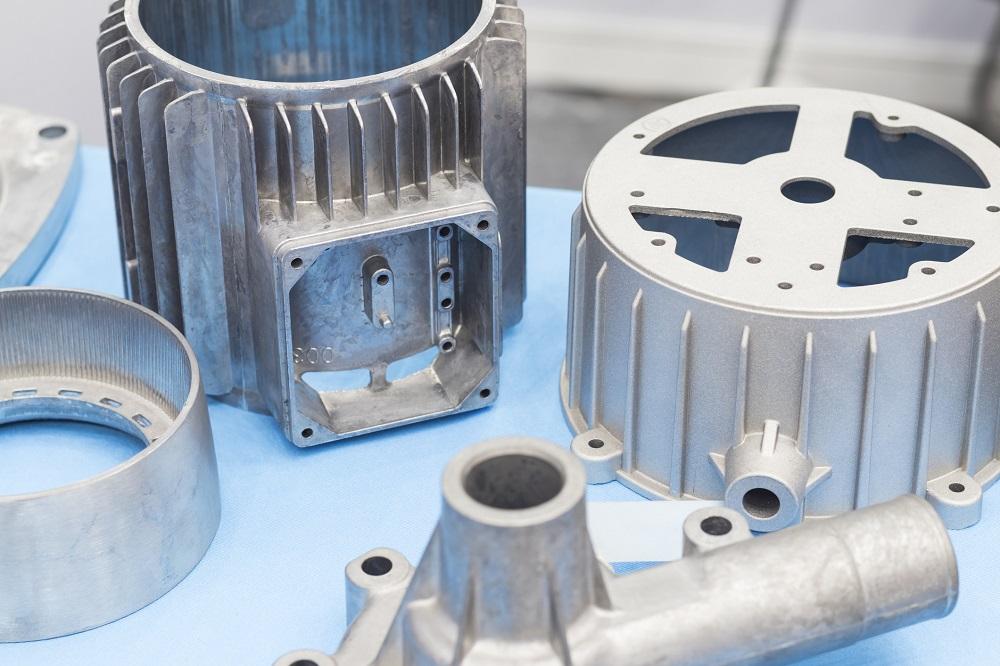
Aerospace Applications: Lightweight Solutions for Advanced Design
In aerospace design, aluminum casting plays an important duty in developing lightweight elements that boost overall performance. By concentrating on weight reduction approaches, producers can improve architectural stability and gas performance. This approach not just satisfies the demands of contemporary air travel however additionally sustains sustainability objectives in the market.
Weight Decrease Techniques
A substantial focus on weight decrease has ended up being a foundation in aerospace design, where every ounce counts towards boosting fuel effectiveness and overall performance. Aluminum casting plays an essential function in attaining these weight decrease strategies. By using sophisticated alloys and enhanced casting methods, suppliers can generate light-weight parts without endangering toughness. Layout developments, such as lattice structures and hollow sections, further reduce weight while preserving performance. The integration of computer-aided design (CAD) allows designers to imitate and assess numerous layouts, making sure one of the most effective use products. Furthermore, the usage of aluminum's excellent strength-to-weight ratio enables the advancement of lighter aircraft, adding to reduced functional expenses and reduced ecological influence. These techniques underscore the importance of aluminum casting in modern-day aerospace applications.
Architectural Stability Enhancements
Structural stability remains a crucial emphasis in aerospace engineering, specifically as the need for light-weight services heightens. Aluminum casting offers one-of-a-kind advantages in boosting architectural integrity without jeopardizing weight. Advanced casting methods allow for the manufacturing of complex geometries, ensuring ideal strength-to-weight ratios. Therefore, parts such as aircraft structures, engine installs, and assistance structures profit from the intrinsic resilience of aluminum while keeping lighter setups. Additionally, the material's resistance to deterioration even more enhances durability and efficiency in requiring aerospace atmospheres. These innovations not just enhance the durability of aerospace components however also assist in the assimilation of innovative designs, ultimately driving ahead the market's dedication to safety and effectiveness. Aluminum casting subsequently plays a critical duty in evolving aerospace engineering requirements.
Gas Performance Improvements
While the aerospace industry progressively focuses on gas performance, aluminum casting becomes a key player in accomplishing this objective via lightweight services. By using aluminum's reduced density and high strength-to-weight proportion, suppliers can markedly decrease aircraft weight, causing reduced gas intake. Elements such as engine places, body frames, and wing structures benefit from aluminum casting techniques, permitting detailed styles that preserve structural integrity while lessening mass. This decrease in weight not only enhances gas performance yet also reduces greenhouse gas discharges, aligning with international sustainability goals. As aerospace technology developments, the function of aluminum casting in creating ingenious, lightweight components will certainly remain to be important, driving more enhancements in efficiency and performance throughout the field.
Customer Product: Ingenious Layouts and Sustainability
Using aluminum casting in durable goods provides considerable advantages, including its environmentally friendly material residential properties that straighten with sustainability objectives. This convenience permits unique layout possibilities that can boost item charm and functionality. Additionally, economical production approaches make aluminum an eye-catching alternative for makers intending to balance top quality with affordability.
Green Material Perks
Green products, especially in the domain name of aluminum casting, are changing durable goods through cutting-edge styles that focus on sustainability. The light-weight nature of aluminum enhances product performance, reducing energy consumption throughout transport and usage. In addition, aluminum's recyclability significantly decreases waste, allowing makers to adopt circular economy principles. By selecting aluminum casting, companies can produce durable products that preserve visual value while being ecologically accountable. This dedication to sustainability usually reverberates with customers, influencing their acquiring choices and fostering brand loyalty. As industries incorporate green techniques, aluminum casting emerges as official site a crucial gamer in decreasing carbon footprints, showing that sustainable materials can at the same time fulfill customer demands for innovation and environmental stewardship. Such innovations highlight the growing importance of eco-conscious choices in today's industry.
Distinct Layout Opportunities
Aluminum casting opens up a domain name of unique layout opportunities that deal with both development and sustainability in consumer products. This flexible process enables designers to produce elaborate shapes and lightweight structures that are typically unattainable with typical manufacturing approaches. The fluidity of liquified aluminum makes it possible for the production of intricate geometries, which can boost capability while keeping visual charm. Additionally, aluminum's recyclability contributes to lasting design practices, as items can be crafted with a focus on lifecycle administration. Designers leverage this flexibility to create ergonomic and visually striking things, merging kind and feature perfectly. Consequently, aluminum casting not only promotes imagination however also lines up with modern consumers' growing demand for ecologically accountable items.
Cost-effective Manufacturing Techniques
Electronics Manufacturing: Accuracy Elements for Modern Instruments
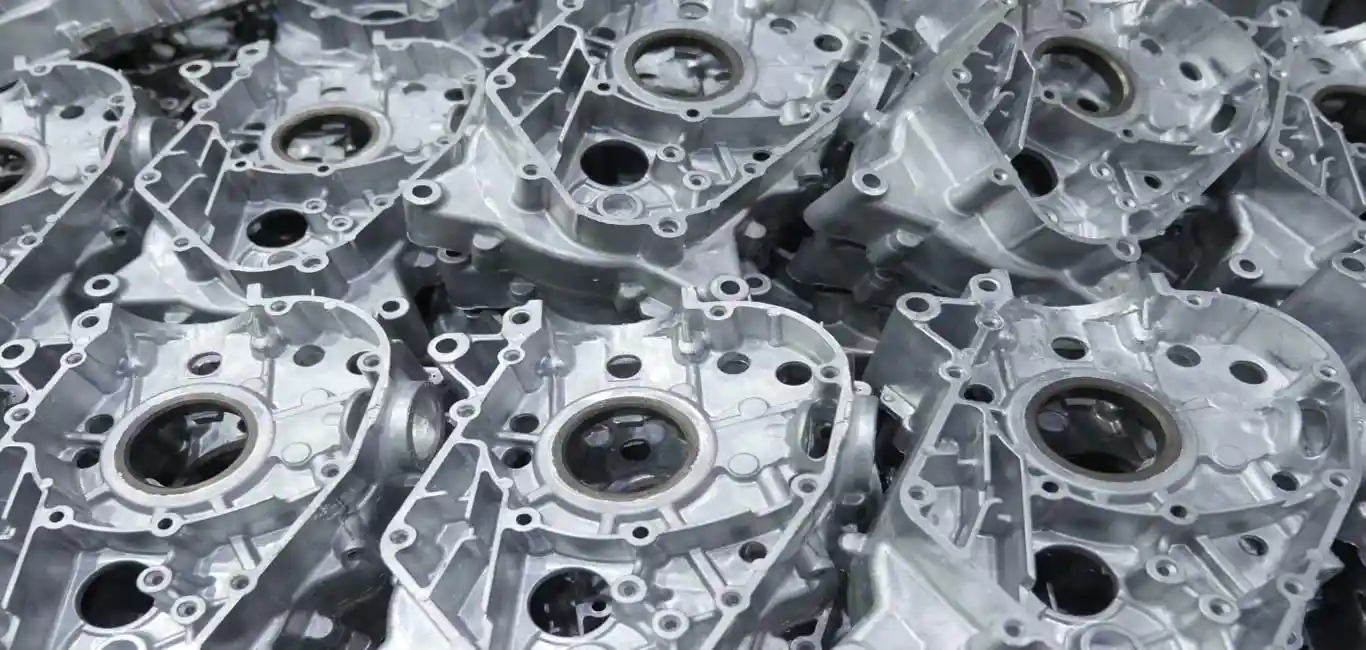
Progressing technology demands precise components that can withstand the rigors of modern-day electronic devices. Aluminum casting plays an essential function in electronics producing, offering lightweight yet sturdy parts crucial for tools such as mobile phones, laptops, and tablets. The distinct properties of aluminum, including outstanding thermal conductivity and resistance to corrosion, make it an excellent option for complex rooms and heat sinks.
Producers make use of sophisticated casting strategies to accomplish tight resistances and complex geometries, making certain that every component fits flawlessly within the device style. This precision not only boosts performance yet also contributes to power performance, an important consider the style of modern electronic devices.
Furthermore, aluminum elements are recyclable, straightening with the industry's growing focus on sustainability. As the need for innovative electronic gadgets remains to increase, aluminum casting continues to basics be a cornerstone in the growth of premium, trusted, and ecologically friendly electronic parts, driving progress in the technology sector.
Construction and Facilities: Long Lasting and Versatile Products
In the building and facilities markets, a varied range of products is critical for creating versatile and durable frameworks. Aluminum casting has actually become a critical part, supplying one-of-a-kind benefits such as light-weight properties, corrosion resistance, and convenience of construction. Its capability to endure severe environmental problems makes it a recommended option for different applications, including bridges, exteriors, and building aspects.
In addition, aluminum's recyclability straightens with lasting building and construction practices, adding to minimized ecological effect. The product can be easily built into complex forms, allowing engineers and engineers to discover ingenious layouts without jeopardizing structural honesty. Furthermore, the sturdiness of aluminum castings guarantees durability, reducing upkeep costs and raising the life expectancy of infrastructure jobs.
As urbanization remains to increase, the need for trustworthy materials like aluminum casting is established to expand, additionally strengthening its function beforehand construction methods and boosting the overall top quality of infrastructure.
Arising Technologies: The Future of Aluminum Casting in Development
As sectors venture for higher performance and sustainability, arising modern technologies are reshaping the landscape of aluminum casting. Innovations such as additive manufacturing, likewise referred to as 3D printing, are transforming conventional casting techniques. This modern technology permits for the creation of complicated geometries with decreased product waste, boosting both performance and sustainability. In addition, innovations in computer-aided design (CAD) and simulation software allow designers to optimize designs and predict casting results more accurately, decreasing problems and manufacturing time.
Additionally, the integration of expert system (AI) in the casting process aids in real-time surveillance and predictive upkeep, making sure top quality outputs and decreasing downtime. These innovations not only simplify production however also contribute to the growth of lighter, more powerful aluminum components that meet the demands of numerous sectors, from auto to aerospace. As these advancements continue to evolve, they assure to improve the versatility and application of aluminum casting in the future.
Frequently Asked Inquiries
What Are the Environmental Influences of Aluminum Casting Manufacturing?
Aluminum casting production can bring about considerable environmental effects, including greenhouse gas emissions, power usage, and waste generation. Additionally, inappropriate disposal of by-products and toxins may damage regional communities and add to air and water contamination.
Just How Does Aluminum Casting Contrast to Other Materials in Terms of Cost?
Aluminum casting normally offers an affordable price compared to products like steel and titanium, especially because of its light-weight nature and ease of manufacturing. This cost effectiveness makes it a recommended choice in lots of manufacturing markets.
What Precaution Are Necessary During Aluminum Casting Processes?
Throughout aluminum casting processes, essential precaution include appropriate air flow, personal safety equipment (PPE), training on tools operation, routine maintenance checks, and adherence to safety and security procedures to prevent crashes and guarantee a secure working environment.
Can Aluminum Casting Be Recycled, and Just how?
Yes, aluminum casting can be reused. The procedure involves gathering scrap aluminum, thawing it down, and changing it right into new products. This decreases waste and preserves power, making aluminum reusing This Site both eco pleasant and reliable.
What Are the Limitations of Aluminum Casting in Particular Applications?
Aluminum casting faces limitations including vulnerability to porosity, minimized stamina at heats, and trouble in attaining complex layouts. These variables can prevent its application in high-stress atmospheres and accurate engineering requirements, affecting overall efficiency.
Aluminum casting enables for elaborate styles that can optimize aerodynamics, further boosting efficiency. Components such as engine mounts, body structures, and wing structures benefit from aluminum casting techniques, permitting for complex styles that maintain structural stability while reducing mass (Precision aluminum casting). Environmentally friendly materials, specifically in the domain name of aluminum casting, are transforming customer products through cutting-edge designs that focus on sustainability. While intending for cutting-edge styles and sustainability, makers progressively turn to affordable production techniques that take advantage of aluminum casting. Aluminum casting faces constraints including sensitivity to porosity, minimized strength at high temperature levels, and difficulty in attaining elaborate layouts